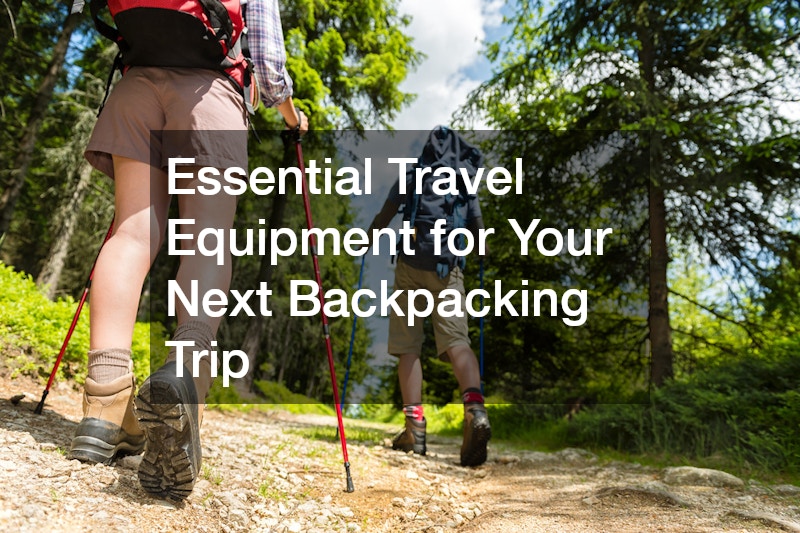
Preparing for a backpacking trip involves more than just planning your itinerary. Packing the right equipment is crucial for a safe and enjoyable adventure. This article explores the essential travel equipment you need to consider for your next backpacking journey. A well-thought-out packing list not only enhances your comfort but also ensures that you are prepared for emergency situations. From choosing the right backpack to cooking gear essentials, each piece of equipment plays a vital role in the success of your trip. Picking the right backpack begins with understanding the size and capacity best suited to your trip. For shorter excursions or single-day hikes, a 30-50 liter backpack will likely suffice. However, longer journeys spanning several days might require a larger pack of 60 liters or more. The backpack size should align with your needs while balancing weight constraints to avoid overburdening yourself. An appropriately sized backpack ensures you can carry all essentials without sacrificing comfort. Consider the trip’s itinerary and climate when determining capacity needs. Warmer climates might allow for lighter packing, while colder environments necessitate additional layers and possibly a larger backpack. Internally framed packs are favored for their structure and support, distributing weight evenly across your shoulders and hips. Remember, a well-packed backpack not only accommodates necessities but also provides easy access to frequently used items. These factors will significantly influence the quality of your experience. The materials used in backpack construction significantly impact its durability and weight. Look for materials such as ripstop nylon or polyester, known for their lightweight yet durable characteristics. These materials often include water-resistant features, crucial for protecting your belongings from unexpected weather conditions. Reinforced stitching in high-stress areas, such as the base and shoulder straps, can enhance longevity. Durability should never be compromised, as a backpack must withstand diverse terrains and loads. Ensuring your backpack fits comfortably is as important as selecting the right size and material. Adjustable straps are critical for customizing the fit to your body, preventing strain and discomfort on lengthy hikes. The backpack should tightly secure onto your hips for weight distribution, sparing your shoulders from unnecessary stress. Additionally, padded back panels with ventilation can provide increased comfort and cooling. Proper fit contributes to a pleasant, strain-free journey. Tents or shelters provide much-needed protection from the elements during a backpacking trip. Depending on the environment, consider the tent’s weather resistance, weight, and ease of setup. Lightweight, one-to two-person tents are ideal for solo or pair backpacking because they balance between portability and comfort. For harsher conditions, four-season tents offer the durability needed to withstand potential snow, rain, or high winds. Evaluate the weight and space each tent provides relative to your travel needs. Another alternative to traditional tents is a tarp or bivy sack, which provides minimal protection while significantly reducing weight. However, these options often demand additional skills in setup and use. Always check that the shelter includes a robust floor to prevent dampness and provide insulation from the ground. Proper ventilation is also essential to avoid condensation from forming inside the tent overnight. Investing in a high-quality shelter ensures safety and comfort in adverse conditions. The selection of a sleeping bag is heavily influenced by the climate of your destination. Ideally, the sleeping bag should be rated for slightly colder temperatures than expected to compensate for unexpected weather changes and personal comfort preferences. Synthetic and down are two popular fill options, each with distinct advantages; synthetics dry quickly and offer insulation even when wet, while down provides exceptional warmth-to-weight ratios but must be kept dry. A sleeping bag liner can also extend the bag’s life and add extra warmth. Shape and size are other considerations in finding the right sleeping bag. Mummy-shaped bags offer greater warmth with less bulk, as they fit snugly around the body, whereas rectangular bags provide more space for those who value comfort over heat retention. Ensure the sleeping bag compresses well for ease of packing. The combined integrity of your sleeping bag and its liner will dictate your rest and recovery during the trip. Sleeping pads are often underestimated but play a crucial role in a successful backpacking expedition. Their primary functions are to provide insulation from the cold ground and add comfort for restorative sleep. Inflatable, foam, and hybrid variations offer different levels of warmth and comfort depending on their intended usage. Choose a pad with an R-value suited to the expected temperature range; the higher the R-value, the better it insulates. The right sleeping pad significantly affects both how well-rested you will feel and your overall backpacking performance. Cooking in the wilderness requires dependable equipment that is both efficient and portable. Several types of stoves exist, each with unique fuel needs and advantages. Canister stoves are light and convenient for swift meal preparation, while liquid fuel stoves excel in colder environments. Consider the availability of fuel types in your travel region when making a selection. The decision will impact not only your ability to cook efficiently but also your pack weight and refueling planning. Opt for lightweight cookware made of titanium, aluminum, or stainless steel, known for their balance of weight and durability. A compact cooking set should include essentials such as a pot, mug or cup, and eating utensils, easily nestable to save space. More advanced kit options include a pan or grill, but pack conservatively to avoid unnecessary bulk. Multi-use items that double as storage or additional cookware can optimize weight. Ensuring your kit meets basic needs will allow meal preparations to be efficient and hassle-free. Choosing the right travel equipment can significantly enhance your backpacking experience. From the necessity of a well-fitting backpack to the specifics of sleeping and cooking gear, being adequately prepared ensures that your adventure is both comfortable and memorable. Informed choices about gear selection can enhance safety, pack efficiency, and overall enjoyment. Research and plan carefully to achieve a balance between weight, functionality, and durability. Ultimately, the right equipment empowers you to embrace the journey with confidence and enthusiasm. What Type of Backpack Should I Choose?
Size and Capacity
Material and Durability
Comfort and Fit
How to Select the Right Sleeping Gear?
Tents and Shelters
Sleeping Bags and Liners
Sleeping Pads and Their Importance
What Cooking Equipment Is Necessary?
Portable Stoves and Fuel Options
Lightweight Cookware and Utensils
Essential Travel Equipment for Your Next Backpacking Trip